Understanding Lightning: Voltage, Dangers, and Safety Tips
I’ll never forget the summer night lightning struck a towering oak tree in my backyard. The flash was blinding, the thunder a deafening roar that rattled the windows. The air crackled with ozone. It was a stark reminder of the raw, untamed power of nature. That intense moment ignited a lifelong fascination – and, admittedly, a healthy respect – for lightning.
Over the years, I have dedicated myself to the study of electrical storms. The goal of my research has been understanding the intricacies of how lightning is generated, what the impact of a high voltage electrical storm is, and how best to protect ourselves from its potentially devastating effects. This article distills that knowledge, offering insights into the incredible voltage behind lightning, exploring its multifaceted consequences, and providing practical guidelines for staying safe during an electrical storm.
The Science Behind Lightning’s High Voltage
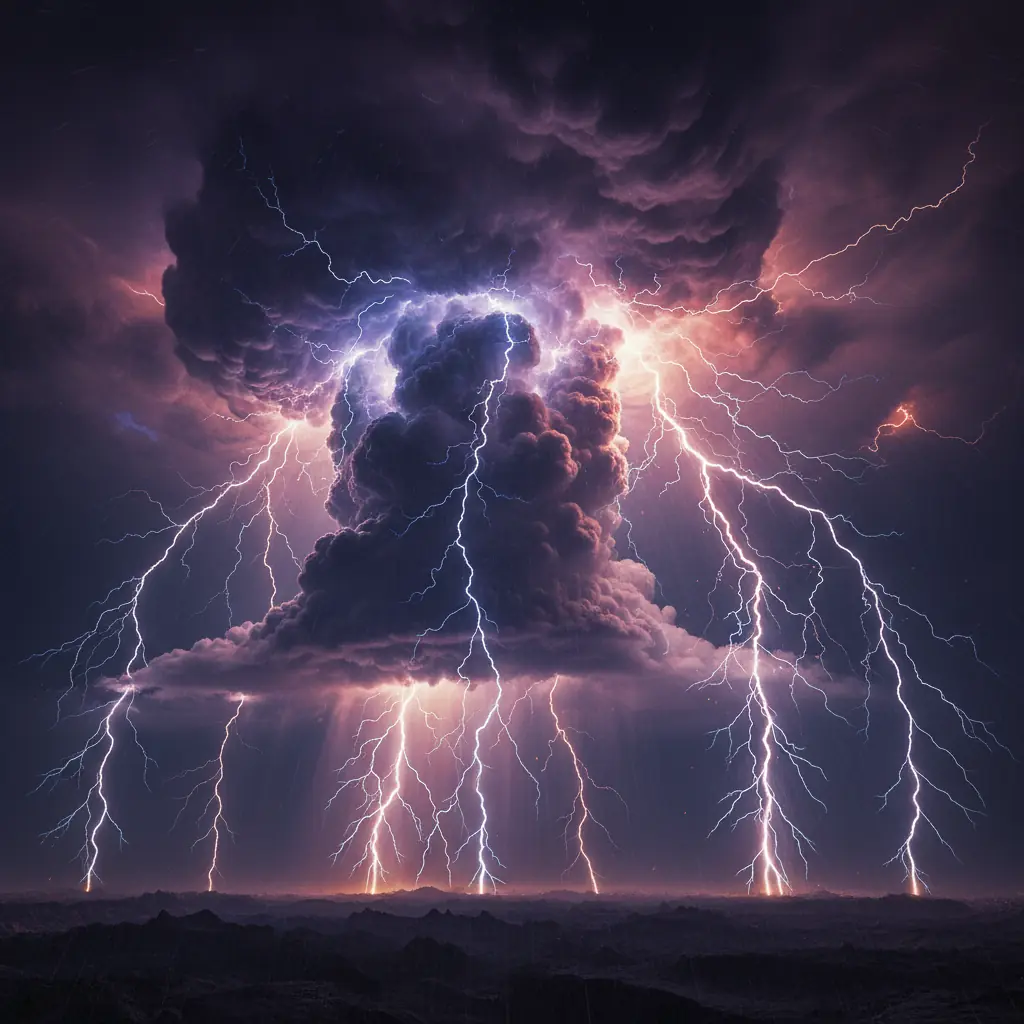
Lightning, a dramatic display of nature’s power, owes its extreme voltage to intricate charge separation mechanisms within storm clouds. This phenomenon, known as thundercloud electrification, involves a complex interplay of atmospheric conditions and particle interactions. The process begins with water droplets and ice crystals colliding within the turbulent environment of a developing storm cloud. Updrafts, powerful currents of rising air, carry these particles upward, while gravity pulls heavier particles like graupel (soft hail) downwards.
As these particles collide, they exchange electrical charge. The precise mechanism is still debated, but it’s widely believed that ice crystals tend to become positively charged, while graupel becomes negatively charged. This charge transfer is influenced by factors like temperature and the presence of supercooled water. The updrafts then separate these charged particles, carrying the lighter, positively charged ice crystals to the upper regions of the cloud and the heavier, negatively charged graupel to the lower regions. This creates a massive electrical potential difference within the cloud, building up the enormous voltage necessary for a lightning strike.
Some storms generate significantly higher voltages than others. This variability stems from differences in atmospheric conditions, cloud size, and updraft strength. More intense storms with stronger updrafts and a greater abundance of ice particles can generate a larger separation of charge, leading to higher voltages and more frequent, powerful lightning strikes. The presence of supercooled water, which freezes on contact with ice crystals, can also enhance charge transfer.
The Role of Cloud Composition
From years of observation, it’s become clear that not all clouds are created equal when it comes to lightning production. The composition of the cloud plays a pivotal role. Clouds rich in ice crystals and graupel, particularly those with a significant amount of supercooled water, tend to be prolific lightning producers. I’ve observed instances where towering cumulonimbus clouds, exhibiting vigorous updrafts and a distinctively “hard” appearance indicative of ice, unleash a barrage of lightning strikes. Conversely, clouds composed primarily of water droplets, even if electrically active, generally produce less frequent and less powerful lightning. The efficiency of charge transfer during collisions between ice crystals and graupel is evidently far superior to the interactions between water droplets, leading to a more rapid and substantial build-up of electrical potential.
Types of Lightning Discharges
Lightning, in its raw, untamed power, is more than just a flash in the sky. It’s a complex phenomenon with various forms, each carrying its own distinctive signature. The most familiar type is cloud-to-ground lightning, where a channel of electricity leaps from the storm cloud to the earth below. This is the one we’re often warned about during thunderstorms, and for good reason. The intense heat and energy can be incredibly dangerous.
But the spectacle doesn’t end there. We also have cloud-to-cloud lightning, a dazzling display that occurs between two separate clouds. Then there’s intra-cloud lightning, a mesmerizing flicker that happens entirely within a single cloud, lighting it up like a giant, pulsating lightbulb. And who could forget the more unusual types?
Among the strangest is ball lightning, a rare and mysterious phenomenon where a luminous sphere appears to float through the air. Its existence is still debated and not fully understood. Then there’s ribbon lightning, which appears as a series of parallel streaks, caused by wind blowing the ionized channel between successive return strokes.
Positive vs Negative Lightning
Beyond the different types of lightning discharges, polarity plays a crucial role. Most lightning is negative lightning. Meaning that negative charge flows from the cloud to the ground. Far less common is positive lightning, which accounts for less than 10% of strikes. Despite the lower occurrence, it carries a punch far greater than its negative counterpart.
The differences lie in the lightning current, duration, and destructive potential. Positive lightning boasts a significantly longer duration and a higher average peak current compared to negative lightning. This means a single strike can deliver a massive energy jolt. It is capable of igniting wildfires and causing widespread damage over a larger area. The return stroke in positive lightning is particularly intense, making it a force to be reckoned with. Understanding lightning polarity is key to assessing risks and implementing effective safety measures during thunderstorms.
Measuring Lightning’s Voltage and Current
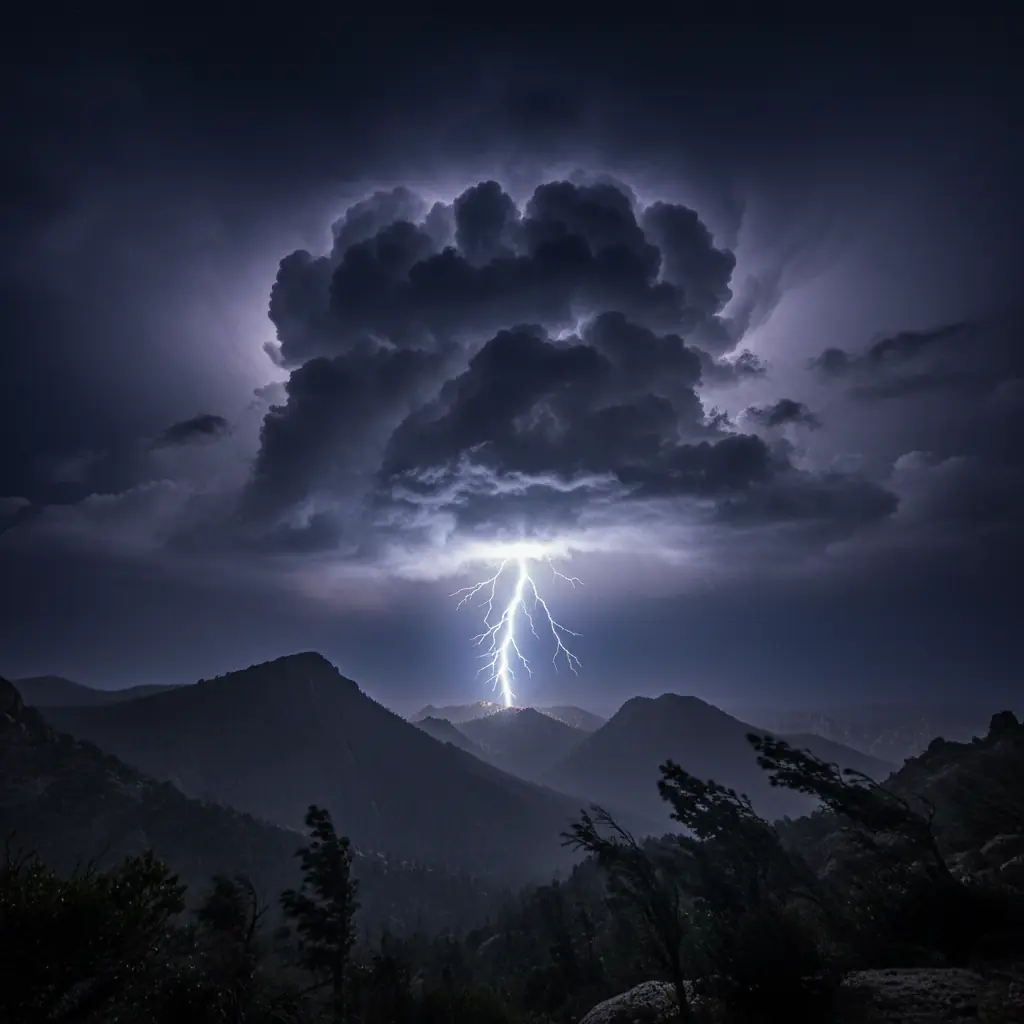
Measuring the immense electrical power of lightning strikes presents a formidable challenge. The fleeting nature and extreme magnitude of these events demand specialized tools and methods. Lightning detection networks play a crucial role, employing sophisticated sensors to pinpoint lightning strikes across vast areas. These networks often rely on detecting the electromagnetic pulses generated by lightning, providing valuable data on strike location and frequency.
Directly measuring lightning current is another hurdle. Magnetic links, simple yet effective devices, have been used to estimate peak currents. These devices exploit the magnetic field produced by the lightning current, leaving a measurable trace. Voltage measurement is even more complex, often relying on indirect methods and theoretical models due to the destructive potential of direct measurement.
Navigating these challenges requires continuous innovation in lightning sensor technology and data analysis techniques for better lightning detection and a deeper understanding of this awe-inspiring natural phenomenon.
Impact on Electrical Systems and Infrastructure
Lightning strikes pose a significant threat to electrical systems and infrastructure, capable of inducing substantial damage to power grids, sensitive electronics, and building structures. A direct lightning strike carries an immense amount of electrical energy, and when it hits a power line, it can create a power grid surge that overloads the system. This surge travels through the grid, potentially damaging transformers, substations, and other critical components.
The impact isn’t limited to direct strikes; even nearby lightning can induce powerful surges through electromagnetic induction. These surges can wreak havoc on unprotected electronic devices, causing them to malfunction, burn out, or suffer permanent damage. Everyday appliances such as televisions, computers, and refrigerators are all vulnerable.
Effective lightning protection systems are crucial for mitigating these risks. Grounding is a fundamental aspect, providing a low-resistance path for lightning current to safely dissipate into the earth. Surge protection devices (SPDs) act as a buffer, diverting excess voltage away from sensitive equipment. Without these measures, the consequences can be severe.
Large-scale power outages triggered by lightning strikes are not uncommon and can disrupt communities and economies. These outages highlight the importance of robust lightning protection strategies for critical infrastructure.Electrical damage caused by lightning is a serious issue, but simple steps can be taken to minimize your risk.
Safety Measures and Protection Strategies
Implementing effective safety measures and protection strategies is crucial to minimizing the risk of lightning strikes. Lightning is a powerful and unpredictable force of nature, but with the right precautions, you can significantly reduce your risk of being harmed. From simple steps like seeking shelter indoors to more advanced techniques like installing lightning rods, there are numerous ways to protect yourself and your property.
One of the most basic, yet vital, lightning safety tips is to stay informed. Monitor weather forecasts and be aware of approaching storms. If a thunderstorm is predicted, postpone outdoor activities. Remember, lightning can strike even when it’s not raining, so don’t wait until the storm is directly overhead to seek shelter. Use common sense to safeguard yourself and the loved ones.
Grounding techniques play a critical role in lightning protection. Grounding provides a path for lightning’s electricity to safely discharge into the earth, preventing it from traveling through a building’s electrical system. Surge protectors are another essential component, safeguarding electronic devices from power surges caused by lightning strikes. While surge protectors can’t prevent a direct hit, they can minimize damage from indirect strikes and power fluctuations. Lightning rods, installed on the highest points of a building, offer a more robust layer of protection, attracting lightning and directing it safely to the ground.
Although less common for residential use, a Faraday cage provides the ultimate protection. Designed to block electromagnetic fields, a Faraday cage completely encloses a space, preventing lightning from entering. While impractical for everyday living, Faraday cages are used in specialized applications such as protecting sensitive electronic equipment.
There are plenty of lightning safety products in the market. Select the ones that fits your expectation and the area you live in. Do not forget to check reviews and third-party tests.
Indoor vs Outdoor Safety
During a thunderstorm, the safest place to be is indoors. Seek shelter in a substantial building, away from windows and doors. Avoid contact with anything that conducts electricity, such as plumbing, electrical appliances, and electronic equipment. If you’re caught outdoors, the best course of action is to find a low-lying area, away from trees and bodies of water. Crouch down with your head tucked and hands over your ears to minimize your body’s surface area.
It is important to avoid water during thunderstorms, be it indoors or outdoors. Never shower during thunderstorms. Many people have been injured by electrocution during thunderstorms while they were taking shower at home. Water conducts electricity and you definitely don’t want to give it a path to carry the charge.
Advanced Grounding Techniques
While DIY grounding solutions can offer some protection, certain situations call for advanced techniques performed by a professional electrician. For example, in areas with poor soil conductivity or buildings with complex electrical systems, specialized grounding systems may be necessary. These systems often involve installing multiple ground rods, interconnected with heavy-gauge copper wiring. They may employ specialized grounding plates or mats to maximize contact with the earth.
Professional installation also ensures that your grounding system meets local electrical codes and safety standards. I once witnessed a case where a poorly grounded building suffered extensive damage during a lightning strike. The surge traveled through the electrical system, causing a fire that gutted the entire structure. In contrast, a nearby building with a properly installed grounding system sustained only minor damage. This is a constant reminder of the importance of doing it right.
Debunking Common Myths about Lightning
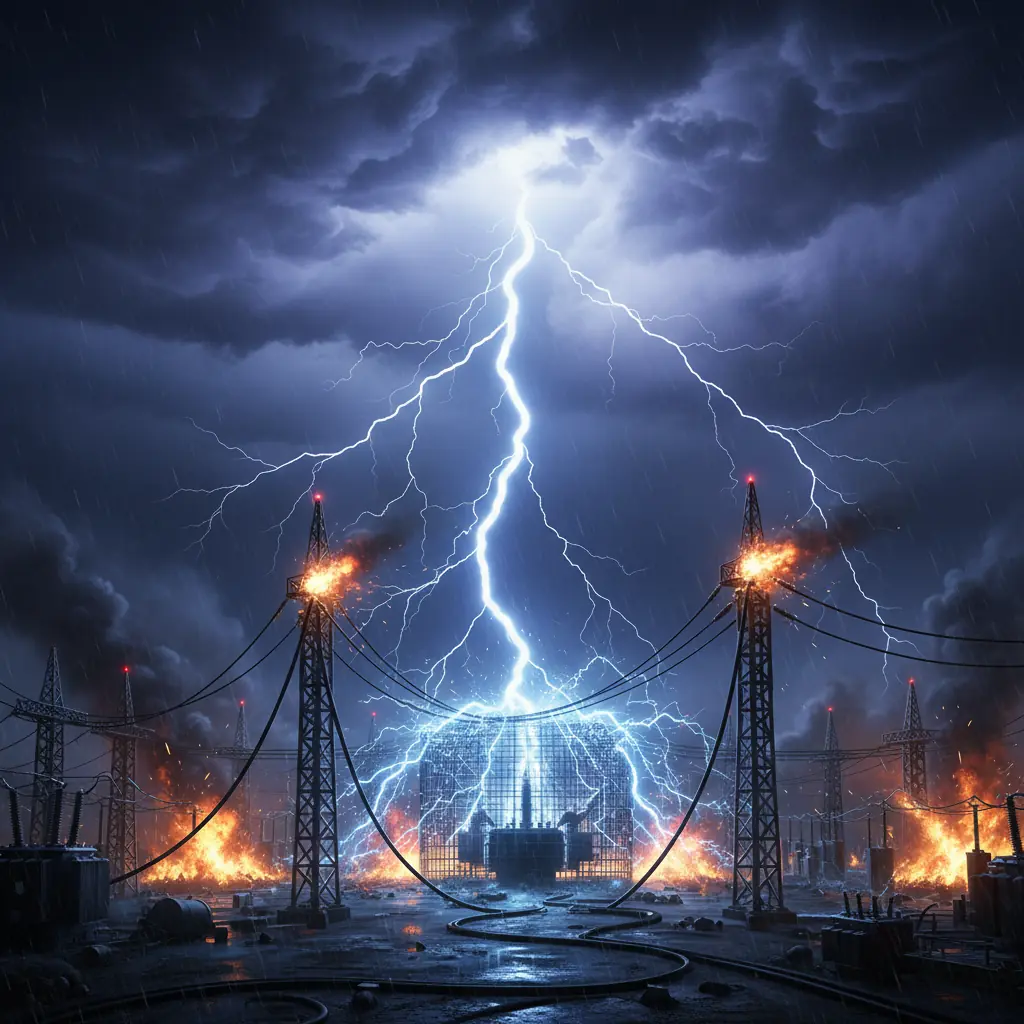
Lightning, a dramatic display of nature’s power, is often shrouded in misunderstanding. Numerous myths persist, leading to potentially dangerous behavior during thunderstorms. One common misconception is that lying flat on the ground offers protection. In reality, while minimizing your profile is advisable, the ground current from a nearby strike can still travel through the surface, posing a significant risk.
Another pervasive myth is that rubber tires insulate a car from lightning. Cars offer protection because the metal frame acts as a Faraday cage, channeling the electricity around the occupants, not because of the tires. Similarly, the idea that lightning always strikes the tallest object is an oversimplification. While tall objects are more vulnerable, lightning follows the path of least resistance, which can be influenced by various factors like ground composition and atmospheric conditions. Understanding these truths is crucial for staying safe during a thunderstorm.
The Future of Lightning Research and Protection
Lightning research is a dynamic field, constantly evolving to enhance our understanding and mitigation strategies. Current efforts are heavily invested in refining lightning detection networks, aiming for greater accuracy and real-time reporting. Predictive modeling is also a major focus, with scientists working to identify atmospheric conditions that heighten lightning risk, offering communities more lead time for preparedness.
Space-based lightning detection systems hold immense promise. Satellites equipped with advanced sensors can monitor lightning activity across vast areas, including remote regions where ground-based networks are limited. This global perspective is invaluable for tracking storm systems and improving global weather models. Furthermore, the development of advanced protection systems, such as surge protectors with enhanced capabilities and improved grounding techniques, is crucial for safeguarding infrastructure and electronics.
The convergence of improved detection, more accurate prediction, and advanced protection mechanisms will significantly reduce the impact of lightning strikes on society. This ongoing commitment to innovation promises a future where people and property are better shielded from the dangers of lightning.
Conclusion
Navigating the electrifying world of lightning storms requires a keen understanding of the immense voltages involved. Awareness is the first line of defense. Recognizing the potential dangers and taking proactive steps can significantly reduce the risks associated with these natural phenomena.
Lightning safety isn’t merely a suggestion; it’s a necessity. Being prepared, whether at home or outdoors, empowers individuals to make informed decisions that safeguard lives and property. Vigilance during a storm, coupled with a knowledge of safety protocols helps to mitigate the high-voltage hazards that lightning presents.
As the skies darken and the thunder rolls, remember that respecting the power of lightning is paramount. A healthy dose of caution, combined with practical preparedness, can transform a potentially dangerous situation into one where you and your loved ones remain safe and secure.